
When You Can’t Always Trust Tomorrow
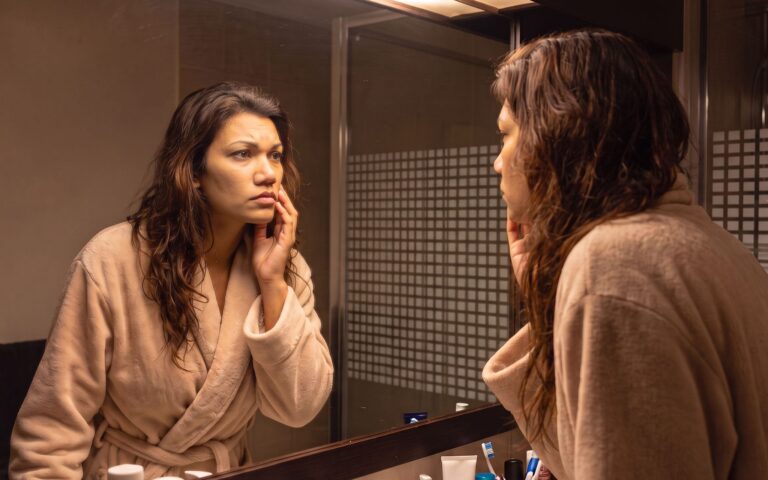
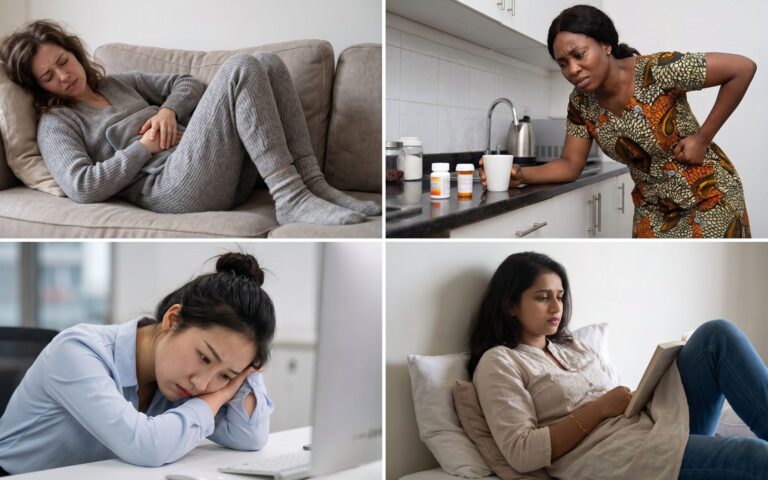
One of the hardest things about living with a chronic illness is not always knowing what tomorrow will look like [1]. You can wake up feeling okay and have a completely different day by the afternoon. You can make plans with the best intentions and then find yourself wondering whether your body is going to cooperate. You can have a good stretch where you start believing that perhaps things are finally settling, only to have symptoms return and remind you that your body doesn’t always follow the plans you make for it.
After living with endometriosis for more than 30 years, I know this feeling very well. It isn’t just the physical symptoms that are difficult. It is the uncertainty around them.
Planning a Life Around Your Body
Chronic illness can make ordinary things feel complicated. Going somewhere, making social plans, travelling, working, attending an event or even committing to something weeks in advance can come with a question sitting quietly in the back of your mind: will I be okay that day?
What if I have a flare? What if I’m exhausted? What if the pain comes back? What if I have to cancel?
Sometimes you start planning around the possibility of being unwell before you even know whether you will be. And that can be incredibly frustrating.
There have been times when I have had to say no to something I genuinely wanted to do because I didn’t know how my body would feel. There have also been times when I have pushed myself because I didn’t want my illness to dictate my life. Finding the balance between those two things isn’t easy.
The Anxiety Nobody Sees
I think one of the less talked-about parts of chronic illness is the anxiety that comes from not knowing.
When you have lived with a condition for years, you become very aware of your body. You notice changes. You notice patterns. You notice when something doesn’t feel quite right. And then the questions begin. Is this just another symptom? Is something changing? Should I wait and see? Should I speak to my doctor? Am I overthinking this?
After years of having symptoms dismissed or misunderstood, it can become difficult to know when to trust your instincts and when to tell yourself not to worry. That constant mental conversation can be exhausting.
Sometimes the symptom itself isn’t the hardest part. It is everything your mind does with it afterwards.
When People Think You Look Fine
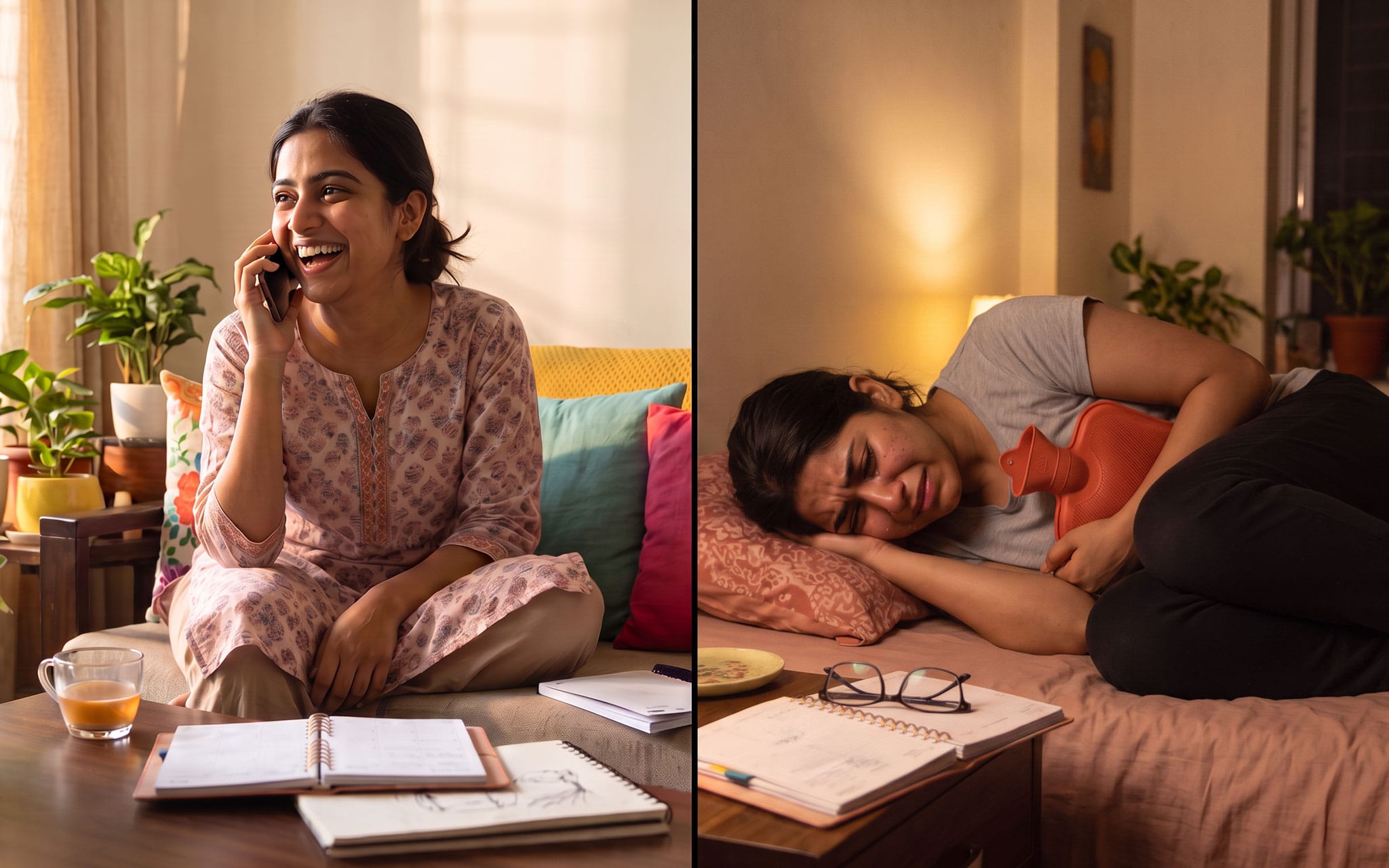
There is another part of chronic illness that can be difficult to explain. You can look perfectly fine and still not feel fine.
People see you having a normal conversation, going to work, laughing, traveling or getting on with your day, and they may assume that everything is okay. And sometimes it is. But sometimes you are doing all of those things while quietly managing symptoms that nobody else can see.
That is one of the strange things about chronic illness. You can become very good at functioning while unwell. People see what you manage to do. They don’t always see what it took to do it.
The Fear of the Future
I have also had to confront the fear of what the future might look like.
When you have lived with a chronic condition for decades, you don’t always have the luxury of assuming that everything will simply get better with time. You know your body has its own history. You know symptoms can change. You know treatments don’t always work the way you hope. And sometimes you wonder what the next few years will bring.
Will I have another flare? Will another symptom appear? Will I have to go through another procedure? Will I be able to keep doing the things I love?
Those questions can take up a lot of space in your mind if you let them. And I have had to learn that constantly trying to predict the future doesn’t actually give me more control over it. It just takes me away from the life I am living today.
Learning What I Can Control
This has probably been one of the biggest lessons for me.
I cannot control everything my body will do tomorrow. I cannot guarantee that I will never have another difficult day. I cannot control every symptom, every flare or every unexpected change.
But I can learn how to respond.
I can listen to my body. I can rest when I need to. I can ask for help without feeling guilty. I can make plans while accepting that sometimes those plans may have to change. I can prepare where preparation is possible, without allowing fear to take over everything else.
And I can remind myself that changing a plan does not mean I have failed. Sometimes it simply means my body needed something different that day.
I Am Learning Not to Put My Life on Hold
For a long time, uncertainty made me want to wait. Wait until I felt better. Wait until the symptoms settled. Wait until I knew what was happening. Wait until my body became predictable.
But chronic illness can teach you that if you wait for complete certainty, you can end up waiting for a very long time.
I don’t want to put my entire life on hold waiting for my body to become the body I wish it would be. That doesn’t mean ignoring my symptoms or pushing through everything. It means learning to live alongside the uncertainty instead of allowing it to decide everything for me.
There are still days when I get frustrated. There are still days when I worry. There are still days when I wish I could simply make plans without having to think about my health at all.
But I am learning that I can hold uncertainty and still have a life.
Some Days Are Just Different
I have also had to stop measuring every day against the days when I felt my best.
Some days I have more energy and some days I have less. Some days my body allows me to do everything I want, and other days it asks me to slow down. That doesn’t make one day a success and the other a failure. They are simply different days.
And perhaps that is another kind of acceptance. Not giving up and not lowering your expectations of life, but understanding that flexibility is sometimes a form of strength.
I Don’t Need to Know Everything About Tomorrow
I still don’t have all the answers.
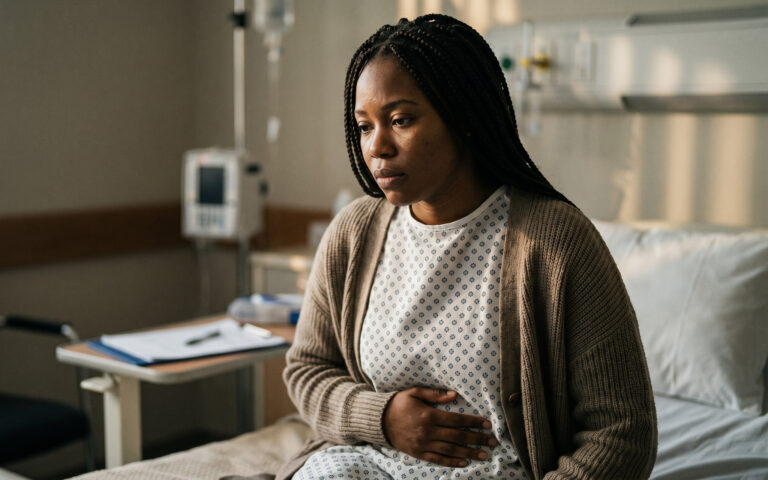
After more than 30 years of endometriosis, adenomyosis, multiple surgeries [2], other conditions and everything that has come with them, I know better than most that the body doesn’t always give us certainty.
But I also know that I don’t want to spend the rest of my life waiting for certainty before I allow myself to live.
I can be careful without being fearful. I can listen to my body without being consumed by every sensation. I can make plans without knowing exactly how I will feel, and I can change those plans if I need to.
Maybe that is where I am finding my sense of control now. Not in knowing exactly what tomorrow will bring, but in knowing that whatever tomorrow brings, I will deal with it one day at a time.
I cannot control everything my body will do tomorrow. But I can control how I respond to today.
And for someone who has spent so many years living with uncertainty, perhaps that is enough.
References
- Nnoaham KE, Hummelshoj L, Webster P, d’Hooghe T, de Cicco Nardone F, de Cicco Nardone C, Jenkinson C, Kennedy SH, Zondervan KT; World Endometriosis Research Foundation Global Study of Women’s Health consortium. Impact of endometriosis on quality of life and work productivity: a multicenter study across ten countries. Fertil Steril. 2011 Aug;96(2):366-373.e8. doi: 10.1016/j.fertnstert.2011.05.090. Epub 2011 Jun 30. PMID: 21718982; PMCID: PMC3679489.
- Krina T. Zondervan, D. Phil., Christian M. Becker, M.D., and Stacey A. Missmer, Sc.D., Endometriosis, March 25, 2020, N Engl J Med 2020;382:1244-1256, DOI: 10.1056/NEJMra1810764, VOL. 382 NO. 13