

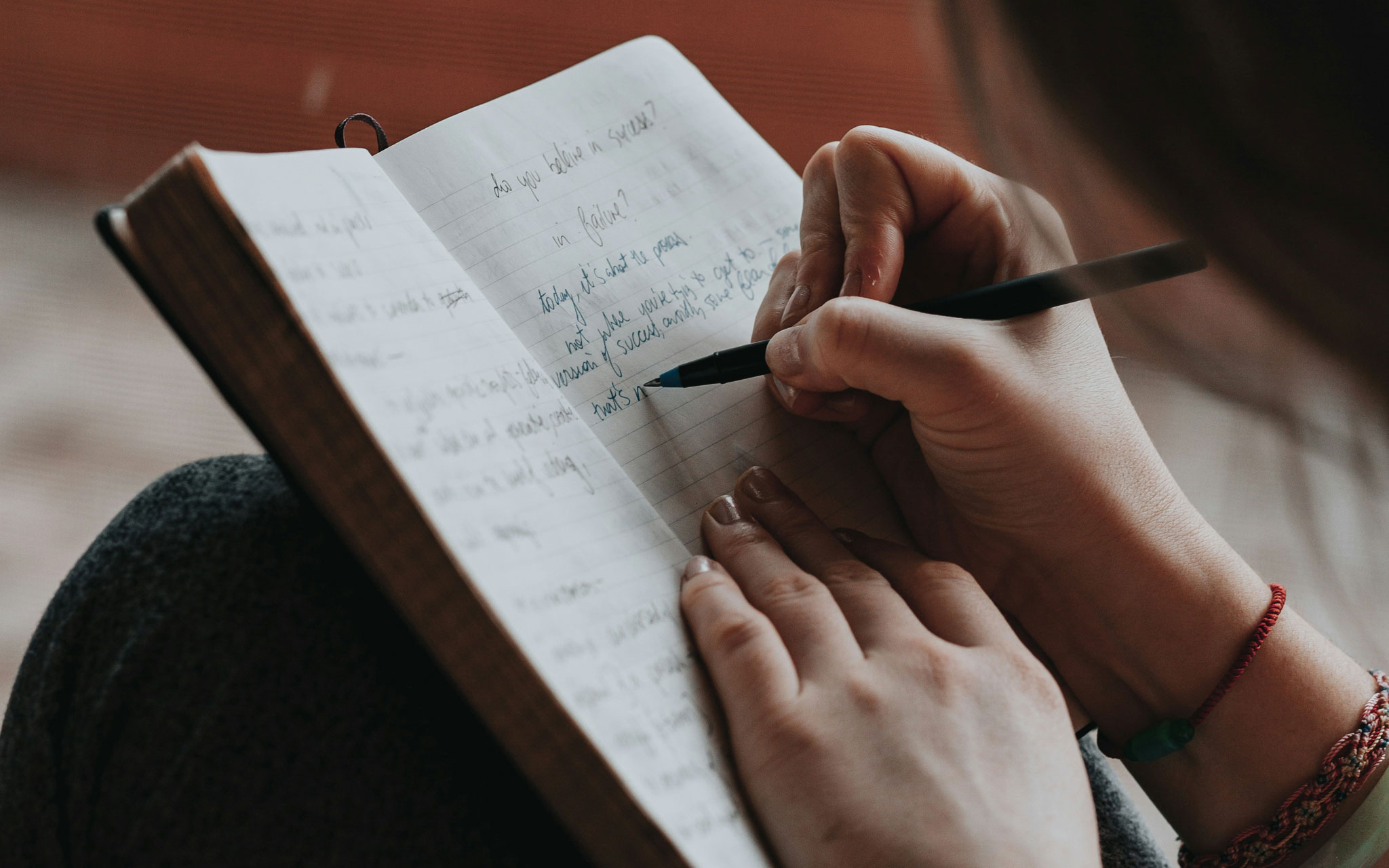
Holding Space for Yourself in a Body That Carries So Much
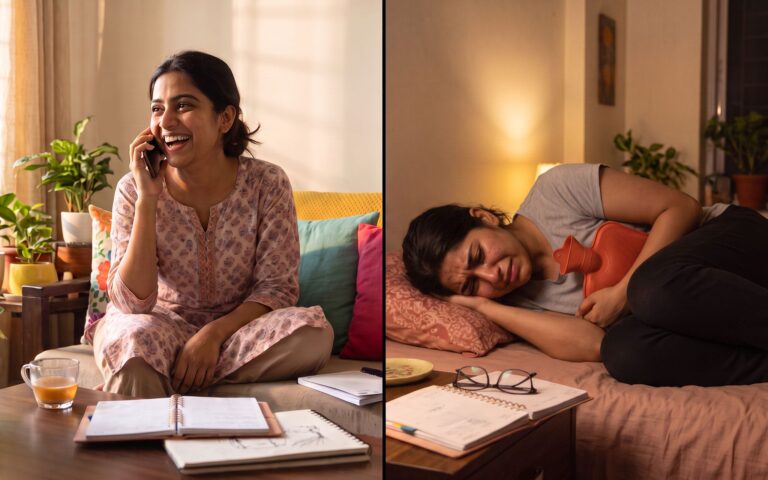
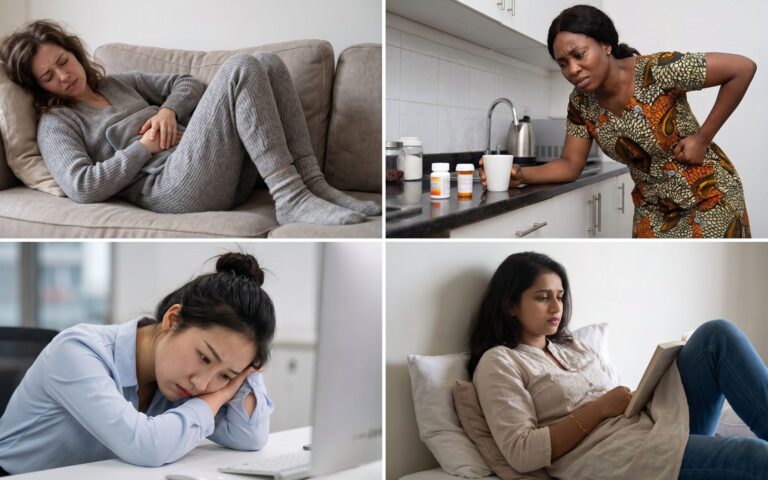
Living with endometriosis and adenomyosis is not just physical. It reaches into your thoughts, your emotions, your relationships, and the way you experience yourself and the world around you [1].
This space is something I have created from two places that live side by side within me. My lived experience as a patient who has walked through years of pain, surgeries, uncertainty, and quiet grief. And my work as a counselor, where I have seen how deeply chronic illness can shape mental and emotional health when it is not fully seen, understood, or supported.
I know what it feels like to carry pain that others cannot see. To question your own body. To feel dismissed. To hold emotions that have no clear place to go. And I also know how powerful it is to be given the space to process, to feel, and to gently come back to yourself.
This is not about fixing everything. It is about creating a moment where you feel safe enough to pause, to listen inward, and to support yourself in a way that feels kind and real [2].
This is a simple, self-guided session you can return to whenever things feel heavy. Move through it at your own pace. There is no right way to do this. Just your way.
1. Create Your Space
Find a quiet place where you feel safe. Sit or lie down in a way that feels comfortable.
Take a slow breath in.
And a slow breath out.
Relax your shoulders. Unclench your jaw.
You do not need to fix anything right now.
Just be here.
Have a notebook and pen nearby.
2. Name What You Feel
Close your eyes and ask yourself:
What is one word that describes how I feel today?
Do not overthink it. Let the first word come.
It could be tired, overwhelmed, angry, numb, grieving, or even strong.
Write that word down.
3. Understand What Is Underneath
Now gently explore that feeling.
Why did this word come up for me?
When do I feel this the most?
How is this affecting my daily life?
Write freely. No filtering. No judgment.
This is your space to be honest.
4. Give Yourself the Support You Need
Pause. Take a breath.
Now ask yourself:
If someone I love felt this way, what would I say to them?
What do I need to hear right now?
Write a few lines to yourself.
Speak to yourself with kindness, not pressure.
5. Validate Your Experience
Read this slowly, or write it down:
My feelings are valid.
My pain is real.
What I am carrying is heavy, and it makes sense that I feel this way.
I am more than my diagnosis.
I deserve care, understanding, and support.
Let this sit with you.
6. Ground Yourself
If your emotions feel intense, come back to the present moment.
Look around and name:
5 things you can see
4 things you can touch
3 things you can hear
2 things you can smell
1 thing you appreciate about yourself
Take your time. Let your body settle.
7. Release What Feels Heavy
Close your eyes if it feels safe.
Imagine holding a balloon.
Inside it is the weight you have been carrying. The pain. The frustration. The fear.
Take a deep breath in.
And as you exhale, imagine letting the balloon go.
Watch it rise slowly, getting lighter, moving further away.
You are allowed to release what is too heavy to carry all the time.
8. Reflect and Reconnect
Before you finish, write down:
One thing I am grateful for today
One small way I will be kind to myself this week
One reminder I want to hold onto
Keep it simple. Let it be real.
9. A Gentle Reminder
Healing is not linear.
Some days will feel manageable.
Some days will feel heavy.
Both are part of this journey.
You are not alone in this.
You are not “too much.”
You are navigating something that is complex and often misunderstood.
And through all of it, you are still here.
Come Back to This When You Need It
Save this. Return to it on the days that feel overwhelming. Share it with someone who may need it too.
You deserve moments of calm.
You deserve to feel supported.
You deserve to feel like yourself again, even if just for a moment.
A Final Word
If you made it here, take a moment to acknowledge that.
Showing up for yourself when you are already carrying so much is not easy. Some days, even slowing down feels like a lot. And yet, you are here. That matters.
Living with endometriosis and adenomyosis can feel lonely, especially when so much of what you go through is unseen or misunderstood. The pain, the fatigue, the emotional weight, the constant adjusting to your body, it is real. And it deserves to be acknowledged.
If no one has said this to you, let this be that moment.
I believe you.
Your experience is valid.
Your pain is real.
You are allowed to take up space with your story, your emotions, and your needs. You do not have to shrink them to make others comfortable.
Be gentle with yourself in the days ahead. Healing does not always look like progress. Sometimes it looks like rest. Sometimes it looks like getting through the day. And that is enough.
You are not alone in this. And you do not have to carry it all by yourself.
Feel free to join The Yellow Circle WhatsApp support group if you need additional guidance from myself or fellow Endo warriors.
References
- Szypłowska M, Tarkowski R, Kułak K. The impact of endometriosis on depressive and anxiety symptoms and quality of life: a systematic review. Front Public Health. 2023 Sep 6;11:1230303. doi: 10.3389/fpubh.2023.1230303. PMID: 37744486; PMCID: PMC10512020.
- Norman M, Razmpour O, Olsen JM. Women’s Use of Self-Care Interventions for Endometriosis Pain in the United States. Nurs Womens Health. 2021 Oct;25(5):346-356. doi: 10.1016/j.nwh.2021.07.008. Epub 2021 Aug 24. PMID: 34437866.


This was relaxing, felt better afterwards. I was having one of those bad days.