

The Pain You Can’t Always See and the Hope You Deserve / Hidden Battles, Quiet Grief, and the Strength to Heal.
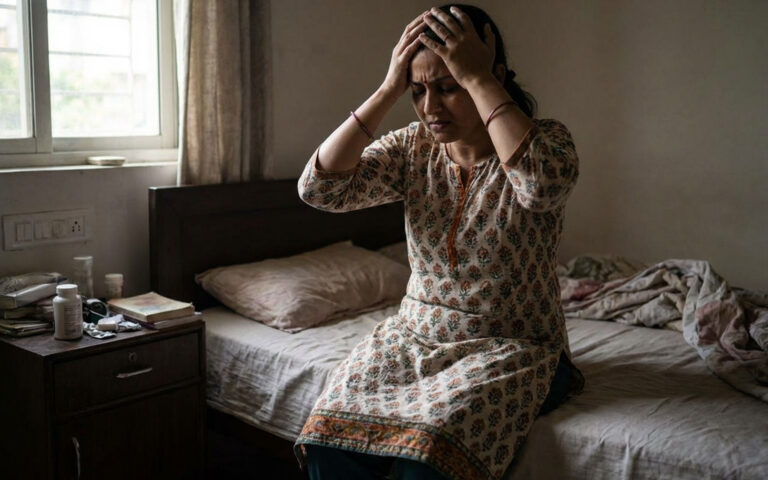
Some stories begin long before we have words to explain them. For me, endometriosis was that story. I spent over thirty years living with chronic pain, repeated surgeries, fatigue, and the constant uncertainty of a condition that is often invisible to the world. For decades, I carried a quiet grief that no one could see: the missed school days, delayed career opportunities, friendships and relationships strained by pain and unpredictability, and dreams that had to be put on hold. Endometriosis does not only affect the body, it affects the life you imagine for yourself.
Adenomyosis only became a confirmed part of my story a few years ago, even though looking at my symptoms, I probably had it much longer. But before that, endometriosis had already shaped so much of my life. It was the foundation of every challenge I faced, from physical pain to emotional fatigue. If you are reading this while carrying pain, frustration, or emotional exhaustion, know this first: you are not imagining it. You are not weak. You are not alone. You deserve to be seen, believed, and supported.
When the Pain Has No Name
For the longest time, I believed what I was experiencing was only depression. I did not know there was a condition slowly consuming my body called endometriosis. Back then, mental health was a taboo topic, and no one talked about it. I had to figure things out on my own, and in my mind, I labeled my feelings as depression when I was only three years old. Those early experiences were dismissed by adults who would say, “What could a child possibly know?” Those dismissive remarks stayed with me. Childhood trauma is often minimised, yet these early dismissals shape the adults we become and we know how deeply early experiences shape adults, especially when physical pain and emotional distress are ignored instead of understood.
When my periods started at thirteen, everything intensified. The pain was unbearable. I was extremely emotional, deeply fatigued, and severely anaemic. I required IV blood support and would faint regularly. I hated my teenage years because my body felt like it was constantly failing me. At the time, no one explained that this level of pain was not normal. No one connected the physical suffering to what was happening mentally and emotionally. I was left to make sense of it all alone, believing it was “just depression,” without knowing that untreated endometriosis was fuelling both the physical and psychological distress.
Even after my diagnosis in 2004, I did not truly understand what endometriosis was. I was given a label but no real explanation, no roadmap, and no education. It took years of lived experience, personal research, advocacy work, and multiple surgeries before I could begin to understand my own body. Over time, I learned to differentiate pain, to recognize patterns, and to connect symptoms that once felt random and overwhelming. Only then did the full picture start to make sense.
Counseling became a turning point. During my journey to becoming a counselor, therapy was mandatory, and it changed everything. It gave me language for my experiences, space to process grief and trauma, and tools to separate my identity from my illness. Professional mental health support helped me understand that endometriosis and depression were connected, but they were not the same thing. One was not imagined, and the other was not a personal failure. Both deserved care.
This is why seeking professional support matters so deeply. Not because you are weak, but because chronic illness affects every layer of who you are. When pain has no name, it can distort your sense of self. When the truth is finally uncovered, healing becomes possible not just in the body, but in the mind as well.
A Silent Battle with No Simple Answers
Endometriosis is a whole-body condition. While most people know it affects the uterus, ovaries, and pelvic lining, it can also appear in unexpected areas such as the diaphragm, brain, bowels, eyes, navel, fingers, nerves, and even skin and teeth. Each location brings unique challenges. For me, endometriosis on the nerves causes neuropathy, making simple tasks with my hands and feet difficult or even painful. Digestive issues like chronic constipation and irritable bowel syndrome create additional physical discomfort, which in turn affects my emotional wellbeing. Sleep, a crucial part of mental and physical health, is often disrupted by pain, fatigue, or digestive distress. Without restorative rest, anxiety, irritability, and emotional exhaustion can feel constant and overwhelming.
Many people spend years being told their pain is stress, normal period discomfort, or something they must simply learn to live with. I was first diagnosed in 2004, and at the time, the doctor told my mother that getting pregnant would cure it. I did not even know about adenomyosis, and my fertility was already impacted. Advice like that is harmful because it dismisses the lived reality of endometriosis and adds unnecessary emotional burden. Late or incomplete diagnosis often means lost time, repeated medical procedures, and emotional fatigue that is difficult to explain. And yet, despite it all, people keep going. They push through pain, they hold on to hope, and they search for answers. That perseverance is strength, even when it does not feel like it.
The Weight of Society’s Expectations
Endometriosis affects every part of life, yet society rarely understands. Questions about marriage, children, or when you will “settle down” can feel crushing. I was often asked why I was not married or why I did not have children, even while I was still trying to understand my body and seeking answers from multiple surgeries and specialists. These questions are not just ignorant, they are emotionally heavy.
At some point, I had to make a conscious shift. I realized that I did not owe anyone an explanation. This journey is already heavy, and I did not need to carry society’s judgment or entertain unsolicited advice. Becoming an informed and empowered patient was a turning point. Understanding my condition, learning about my options, and knowing my limits gave me the ability to protect my mental health, set boundaries, and make decisions with confidence.
Your worth is not defined by marriage, fertility, or societal expectations. Your path is yours to navigate, and it deserves respect, dignity, and compassion.
The Emotional and Mental Toll
Endometriosis is not just a gynecological condition. It is a full-body condition that can affect every aspect of your life. Chronic pain, neuropathy, digestive issues, fatigue, and sleep disruption interact with mental health in complex ways. Each day can bring emotional strain that feels invisible to others.
Common emotional impacts include anxiety, which can come from the unpredictability of symptoms, the constant worry about medical interventions, and the uncertainty of fertility outcomes. Depression can develop from feeling trapped in a body that does not cooperate, from lost opportunities, and from the cumulative weight of chronic illness [1]. Grief is constant: grief for missed milestones, relationships that did not survive the strain, and dreams that were postponed or lost entirely. Guilt and shame may appear when needing accommodations, missing work, or struggling in personal relationships.
Studies consistently show that chronic pelvic pain from endometriosis is strongly linked to poorer quality of life, more missed work or school, and difficulties in intimate relationships. In one study, almost 1 in 3 participants met criteria for moderate to severe anxiety and about 1 in 6 for depression, alongside marked reductions in work and social functioning [2].
Cognitive fatigue often comes with chronic pain and exhaustion, making daily functioning more difficult.
Living with endometriosis is exhausting in ways most people cannot see. These mental health challenges are real and deserve recognition and care. Accepting this reality is part of reclaiming your power.
Emotional Support Is Not Optional
Therapy, support groups, journaling, mindfulness, and connecting with people who truly understand your journey are essential. They are not extras. They are lifelines. Chronic illness like endometriosis can feel isolating, and far too often, patients are dismissed or told their pain is “normal” or “all in their head.” Validation – having your experiences seen, heard, and believed – is not just comforting; it is crucial for mental health. Being acknowledged can reduce anxiety, restore confidence in your body, and give you the strength to make informed choices about treatment.
Becoming an informed and empowered patient matters. Understanding your condition equips you to advocate for yourself, ask the right questions, and set boundaries with both healthcare providers and those around you. It allows you to navigate complex decisions with clarity and protect your emotional wellbeing.
Seeking help is not a sign of weakness. It is a brave and necessary step toward healing. When your pain and experiences are validated, when your grief and frustration are acknowledged, you reclaim some control over a condition that often feels uncontrollable. Emotional support is not optional—it is part of the foundation for living fully, even with chronic illness.
Click here to join The Yellow Circle’s Endo/Adeno Support Group on WhatsApp.
You Are Not Alone
It is okay to feel frustrated, heartbroken, or exhausted. It is okay to pause treatments or step back from responsibilities when your body and mind need rest. It is okay to dream again when you are ready.
Your story is valid. Your pain is real. Your struggles deserve recognition. You are not walking this path alone.
There Is Still Hope
Despite the challenges, people with endometriosis can live fulfilling lives. Some find relief through treatment, some navigate fertility challenges successfully, and others discover new ways to pursue their dreams beyond the paths they originally imagined.
Hope can take many forms. It can be relief from pain, progress in fertility, moments of joy, or finding peace with your journey. Every form of hope matters and is worth recognizing. Awareness, research, and support continue to grow, making it possible to reclaim life even while living with chronic illness.
A Message to Every Warrior
You are not your diagnosis. You are not your pain. You are more than your fertility, your relationships, or society’s expectations.
You are strength. You are courage. You are worthy of care, compassion, and understanding.
Even on days when it feels impossible, your journey matters. Your body deserves gentleness. Your heart deserves space to heal.
Frequently Asked Questions About Endometriosis and Mental Health
Endometriosis happens when tissue similar to the lining of the uterus grows outside the uterus. This can appear on the ovaries, fallopian tubes, pelvic lining, and in less common areas like the diaphragm, brain, eyes, navel, fingers, and nerves. It causes chronic pain, fatigue, digestive issues, and sometimes fertility challenges.
Yes. Endometriosis can make conception more difficult by causing inflammation, scarring, and changes in how the reproductive organs function. Fertility may be impacted, but many people still conceive naturally or with support from fertility treatments.
Absolutely. Chronic pain, fatigue, uncertainty, and emotional burden can lead to anxiety, depression, grief, and stress. The unpredictability of symptoms and disruptions to daily life make coping harder [3].
Endometriosis patients have significantly more depressive symptoms: standardized mean difference (SMD) 0.71 (95% CI 0.36–1.06). They also had more anxiety symptoms: SMD 0.60 (95% CI 0.35–0.84) [4].
Yes. Nerve involvement can cause neuropathy, making movement difficult. Digestive symptoms, sleep disruption, and pain in unusual areas add layers of strain. Mental health support is essential to navigate these challenges.
Chronic pain, fatigue, surgeries, and hospitalizations make school and work challenging. Missed days and limitations affect performance and progression, and societal misunderstanding can add stress.
You are not obligated to answer questions about your body, fertility, or life choices. Becoming informed and empowered helps protect your mental health and set boundaries.
Treatment may include hormonal therapies, pain management, surgery, fertility treatments, and lifestyle strategies like rest, nutrition, and stress management.
Therapy, counseling, support groups, journaling, mindfulness, and connection are essential. Validation and being heard are critical for emotional wellbeing.
Click here to join The Yellow Circle’s Free Endo/Adeno Support Group on WhatsApp.
Early diagnosis changes lives. It allows timely treatment, protects fertility, and prevents emotional exhaustion caused by years of unanswered questions.
Seek care if you have severe pain, digestive complications, fertility concerns, or feel dismissed by healthcare providers. Specialists provide accurate diagnosis, personalized treatment, and emotional support.
While they cannot cure endometriosis, sleep, gentle movement, anti-inflammatory nutrition, and stress management support overall health and symptom management.
Grief is normal. Processing it with therapy, support groups, or journaling allows you to acknowledge loss while reclaiming agency over your life.
No. Anyone assigned female at birth can develop endometriosis. It is a systemic condition affecting physical, emotional, and mental health.
Currently, there is no cure, but treatments can manage pain, reduce lesions, and support fertility. A combination of medical, surgical, lifestyle, and mental health strategies can help people live fulfilling lives.
References
- Dipankar SP, Kushram B, Unnikrishnan P, Gowda JR, Shrivastava R, Daitkar AR, Jaiswal V. Psychological Distress and Quality of Life in Women With Endometriosis: A Narrative Review of Therapeutic Approaches and Challenges. Cureus. 2025 Mar 6;17(3):e80180. doi: 10.7759/cureus.80180. PMID: 40190910; PMCID: PMC11972425.
- Laganà AS, La Rosa VL, Rapisarda AMC, Valenti G, Sapia F, Chiofalo B, Rossetti D, Ban Frangež H, Vrtačnik Bokal E, Vitale SG. Anxiety and depression in patients with endometriosis: impact and management challenges. Int J Womens Health. 2017 May 16;9:323-330. doi: 10.2147/IJWH.S119729. PMID: 28553145; PMCID: PMC5440042.
- Wang TM, Lee YL, Chung CH, Sun CA, Kang CY, Wu GJ, Chien WC. Association Between Endometriosis and Mental Disorders Including Psychiatric Disorders, Suicide, and All-Cause Mortality -A Nationwide Population-Based Cohort Study in Taiwan. Int J Womens Health. 2023 Nov 28;15:1865-1882. doi: 10.2147/IJWH.S430252. PMID: 38046265; PMCID: PMC10693200.
- van Barneveld E, Manders J, van Osch FHM, van Poll M, Visser L, van Hanegem N, Lim AC, Bongers MY, Leue C. Depression, Anxiety, and Correlating Factors in Endometriosis: A Systematic Review and Meta-Analysis. J Womens Health (Larchmt). 2022 Feb;31(2):219-230. doi: 10.1089/jwh.2021.0021. Epub 2021 Jun 2. PMID: 34077695.
Please Note: Some of the references above have an older definition of Endometriosis. The latest research defines Endometriosis as “Endometriosis is a condition where tissue that is similar to the lining of your uterus grows on other parts of your body.” (from The Cleveland Clinic)
Photo by Sora Shimazaki.