

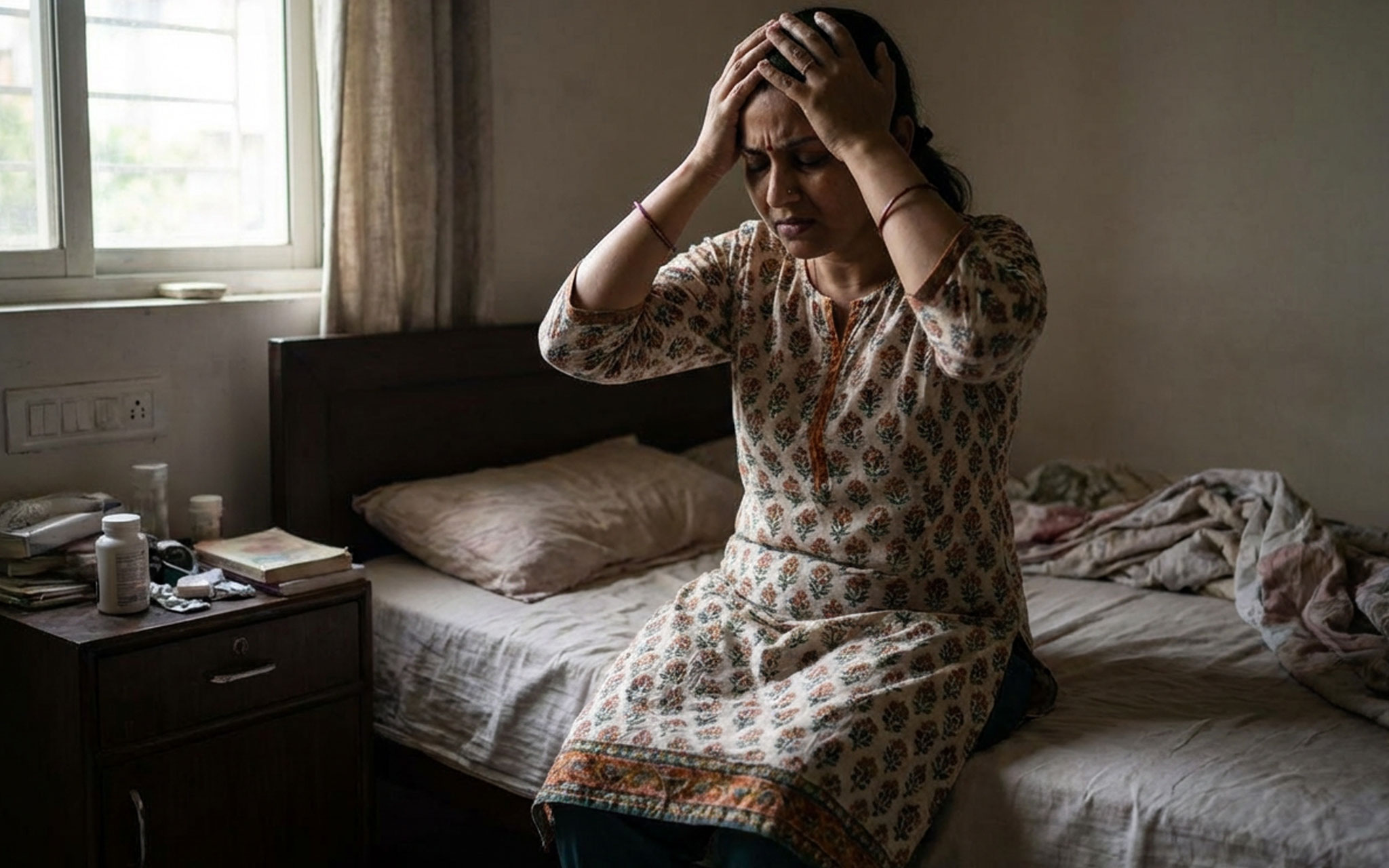
Adenomyosis affects millions of women worldwide, causing chronic pelvic pain, heavy bleeding, and fertility challenges. Beyond the physical symptoms, adenomyosis takes a deep toll on mental health—leading to anxiety, depression, and emotional trauma that more often than not, goes unrecognised. The connection between adenomyosis and mental health is real, yet it remains one of the most overlooked aspects of this condition. This is the reality of living with adenomyosis and the mental health journey that comes with it.
The Pain We Do Not Talk About
Living with adenomyosis changes more than your body. It touches your emotions, your identity, and the way you move through the world. This is for anyone who feels the weight of pain, confusion, and isolation.
Chronic pelvic pain, heavy bleeding, and infertility create a variety of risk factors for psychological distress, including higher rates of anxiety, depression, and reduced quality of life [1].
You are not alone. Your story matters.
Adenomyosis and Mental Health: The Silent Struggle
Adenomyosis is not only about cramps or heavy bleeding. It brings pain, fatigue, and symptoms that show up without warning. Over time this drains your energy and joy. Pain can change the brain and leave you feeling anxious, low, or exhausted. And when you spend years being dismissed, told it is a normal period, or told you are exaggerating, the emotional damage grows. You begin to doubt yourself even though your pain has always been real.
You deserve support. You deserve understanding.
Adenomyosis and Infertility: Understanding the Emotional Impact
Adenomyosis can make it hard to conceive. The grief that comes with infertility is deep. It brings guilt, sadness, shame, and a quiet sense of loss that is hard to explain to others. It feels personal. It feels lonely. Sometimes it feels like your body is working against you.
For me, this was one of the hardest parts of my journey. As a child I always dreamed of being a mum. I loved children from the deepest part of my soul. I was the kind of girl who would hold every baby at family gatherings, who imagined names, and who pictured a home filled with laughter. But that dream never came to life for me. Endometriosis and adenomyosis took that away. It took away years of my life, my plans, and a part of my identity that I always thought was guaranteed.
That grief is real. And it deserves space.
Studies of women undergoing fertility treatment indicate that an infertility diagnosis itself is an independent risk factor for later depression, underscoring the emotional toll of fertility challenges associated with conditions like adenomyosis [1].
The Stigma Around Painful Periods
Painful periods are still not taken seriously. Many of us learn to hide it, push through it, or pretend everything is fine. When you share your pain and someone shrugs it off, a part of you shuts down. You begin to suffer in silence because no one wants to hear about it. This silence isolates you even more.
Pain that destroys your day is not normal. You do not need to stay quiet. Speaking up helps others feel seen too.
The Importance of Early Adenomyosis Diagnosis for Mental Health
If adenomyosis is caught early, you can manage your symptoms better. It can save years of emotional stress and protect your fertility. It can also prevent the slow emotional collapse that comes from not knowing what is wrong.
Your story might help someone else get answers sooner. Do not hide it. Your voice could be the reason someone finally gets help.
Living with Chronic Pain: The Invisible Burden of Adenomyosis
A lot of the pain we carry is invisible. People look at you and think you are fine. They do not see the nights you cried curled up in bed or the mornings you forced yourself to function. Being dismissed by doctors or misunderstood by loved ones chips away at your self belief. It leaves emotional scars that take time to heal.
But you have every right to trust your own body. Your experience is real even if others do not understand it.
Adenomyosis, Anxiety, and Depression: Understanding the Connection
Research shows that women with adenomyosis experience significantly higher rates of anxiety and depression compared to the general population [1], [2].
Chronic pain, fatigue, and uncertainty create emotional stress. They can lead to anxiety, depression, or trauma. Most of the time you are trying to cope alone because you do not want to burden anyone.
In my journey, this emotional weight grew until I could not carry it anymore. That is what led me to counseling. Counseling helped me understand my pain in a deeper way. It helped me accept my reality without shame. It softened the grief I held for years and helped me repair my relationship with my family. It gave me tools to navigate loneliness, loss, and the identity shift that came with chronic illness.
Counseling changed my life. It showed me that healing is not only physical. Healing also means finding peace within the pain. That is what inspired me to become a counselor myself. I wanted others to have the same support that saved me.
Mental Health Coping Strategies for Adenomyosis Patients
Small steps can help you feel grounded again. Try:
- Journaling what you feel
- Speaking to a therapist or joining a support group
- Gentle movement like walking or stretching
- Resting without guilt
- Choosing peace over pressure
- Finding something small every day that makes you smile
- Being kind to yourself, even on the hard days
You do not need to fix everything at once. One step at a time is still progress.
You Are Not Broken
Adenomyosis does not define your worth. Your body is not a failure. You are not a burden. You are trying your best while living with something most people will never understand. That takes strength.
You are more than the moments this illness took from you. You are more than the dreams that shifted or changed. You are still whole. You are still worthy. And you are not alone.
Grief, Guilt, and Finding Yourself Again
There is grief in losing the life you imagined. There is guilt for missing work or social plans. There is pain in feeling like your body betrayed you. It is okay to feel all of this. You are allowed to mourn the version of life you wanted and still move forward into a new one.
Rebuilding your life does not mean letting go of your dreams. It means making space for new ones. You can still create joy, purpose, and connection. Healing is possible in many forms.
Frequently Asked Questions About Adenomyosis and Mental Health
Yes, adenomyosis can significantly impact mental health. Chronic pain, fatigue, and the unpredictability of adenomyosis symptoms can lead to anxiety and depression. Additionally, the hormonal changes associated with adenomyosis may affect mood regulation. Many women with adenomyosis report feeling isolated, dismissed by medical professionals, and emotionally drained from managing daily symptoms, all of which contribute to mental health struggles.
Adenomyosis can make conception more difficult due to changes in the uterine lining and inflammation. The emotional impact of adenomyosis-related infertility is profound, often bringing feelings of grief, guilt, shame, and loss. Many women experience a sense of identity loss when their dreams of motherhood are challenged. This grief deserves recognition and support, whether through counseling, support groups (Click here to join The Yellow Circle’s Endo/Adeno Support Group on WhatsApp), or connecting with others who understand the journey.
There are several mental health resources available for those living with adenomyosis. Individual counseling or therapy can help you process chronic pain, grief, and identity shifts. Support groups (online or in-person) connect you with others who understand your experience. Chronic pain psychologists specialize in helping patients cope with persistent pain conditions. Additionally, mindfulness practices, gentle movement therapies, and self-compassion exercises can support your emotional well-being alongside medical treatment.
Absolutely. Grief is a natural response to living with adenomyosis. You may grieve the loss of pain-free days, the life you imagined before diagnosis, missed opportunities due to symptoms, or fertility challenges. This grief is valid and deserves space. Allowing yourself to acknowledge and process these feelings, rather than pushing them away, is an important part of healing. Many people find that working with a therapist who understands chronic illness can help them navigate this grief while still finding joy and purpose.
Self-advocacy is crucial when living with adenomyosis. Keep a detailed symptom diary documenting pain levels, bleeding patterns, and how symptoms affect your daily life. Use clear, specific language when describing your experience (for example, “I have debilitating pelvic pain that prevents me from working three days a month”). Don’t be afraid to seek second opinions if you feel dismissed. Bring a trusted friend or family member to appointments for support. Remember, you know your body best, and persistent, severe period pain is never normal. You deserve to be heard and taken seriously.
A Closing Word
Adenomyosis is heavy. It touches your body, your dreams, your identity, and your emotional world. But you do not have to carry all of this alone. There is support. There is community. There are tools that help you breathe again and moments that will remind you that you are still here, still strong, and still worthy.
Your story matters. Your pain matters. And your healing matters too.
Click here to join The Yellow Circle Endo/Adeno WhatsApp Support Group.
References
- Li N, Yuan M, Li Q, Ji M, Jiao X, Wang G. Higher Risk of Anxiety and Depression in Women with Adenomyosis as Compared with Those with Uterine Leiomyoma. J Clin Med. 2022 May 7;11(9):2638. doi: 10.3390/jcm11092638. PMID: 35566763; PMCID: PMC9099604. https://pmc.ncbi.nlm.nih.gov/articles/PMC9099604/#abstract1
- Alcalde, A. M., Martínez-Zamora, M. Á., Gracia, M., Ros, C., Rius, M., Nicolás, I., & Carmona, F. (2021). Impact of adenomyosis on women’s psychological health and work productivity: A comparative cross-sectional study. Journal of Women’s Health, 30(12), 1704–1712. https://doi.org/10.1089/jwh.2020.8789

thanks for info.
You’re most welcome Liana
If you can call me please:
210) 3713258
Thank you for your comment. We are communicating on the shared WhatsApp group for the yellow circle.